

Driving innovation and sustainability, Lindum pioneers eco-friendly growth and greener solutions
Read More

Have you noticed small brown toadstools or mushrooms popping up in your recently laid lawn?
Read More
When it comes to growing the best quality grass, one of the oldest debates has to be which is better, turf or seed?…
Read More
It is worth doing a spot of research and planning about the type of turf to lay before you get to work, to ensure you get the best out of your garden renovation.
Read More
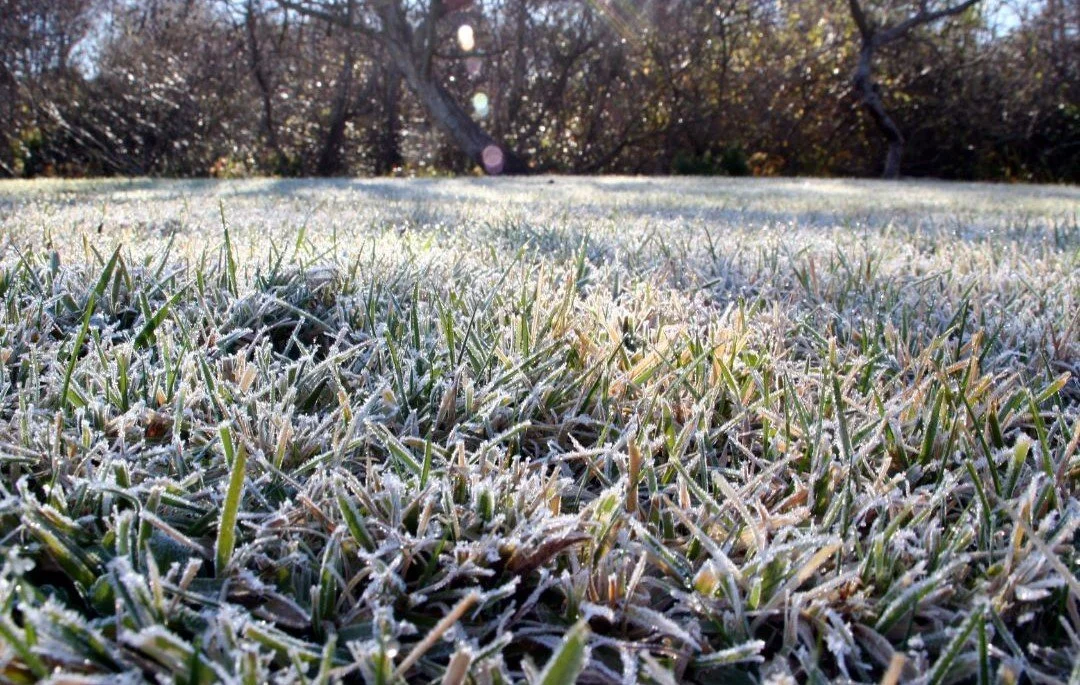
Here are some essential tips for winter lawn maintenance that will help you keep your grass in top shape…
Read More

Is there a right time to lay turf?
Read More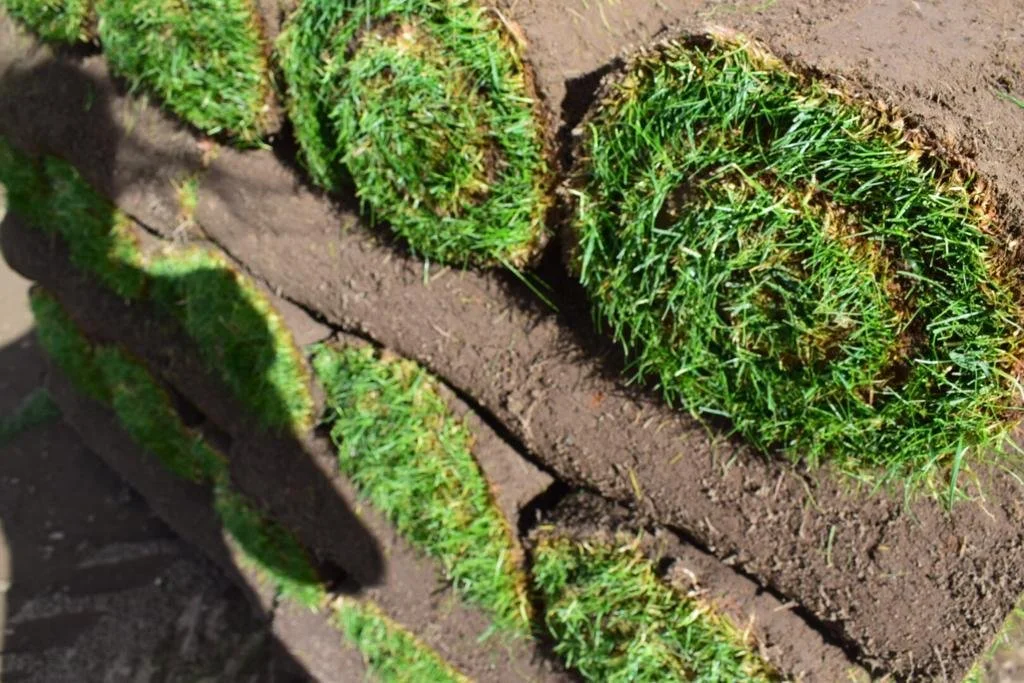
How do you ensure it remains in good health and condition until you have time to lay it?
Read More
The first few weeks are critical to establish a healthy lawn...
Read More
Good news, most producers, ourselves included, continue growing turf all year round...
Read More
So, when can you start to mow new turf, and how often should you do it once you start?
Read More
To get the best results from your turf and secure healthy root growth, it’s important to prepare the ground first...
Read More
In this blog, we take a look at irrigating fresh turf to ensure you get the lawn or wildflower meadow you deserve.
Read More
Can you simply lay turf on top of the old lawn?…
Read More
Once turf has been laid, naturally, people are curious to know how long it will be before it grows into a lush, verdant lawn…
Read More
As one of the UK’s leading turf growers, we get asked a huge amount of questions about turf…
Read More